Key Takeaways
- High myopia increases the complexity of glaucoma detection and high myopia, making early diagnosis more challenging.
- Routine eye checks alone may not always be sufficient to detect glaucoma in its early stages.
- Specialised tests and careful monitoring are often needed for accurate assessment.
- Early detection and timely management can help preserve vision and reduce long-term complications.
Why Is Glaucoma Harder to Detect in High Myopia?
Glaucoma is often called the “silent thief of sight” because it can progress without obvious symptoms. In individuals with high myopia or severe short-sightedness, detecting glaucoma early becomes even more complex.
- The shape of the eye in high myopia can alter the optic nerve appearance
- Structural changes may mimic or mask early signs of glaucoma
- Standard scans may be harder to interpret accurately
- There may be a higher lifetime risk of developing glaucoma
Because of these factors, glaucoma detection in high myopia requires a more tailored and careful approach rather than relying solely on routine screenings.
Are Regular Eye Checks Alone Enough?
Regular eye checks are essential but in high myopia patients, they may not always be enough on their own. A standard eye examination usually includes,
- Vision assessment
- Eye pressure measurement
- Basic optic nerve evaluation
However, glaucoma especially in myopic eyes can develop even when,
- Eye pressure is within normal range
- Early optic nerve changes are subtle
- Vision remains unaffected in the initial stages
This means relying only on routine checks may delay early detection in some cases.
What Additional Tests May Be Needed for Better Detection?
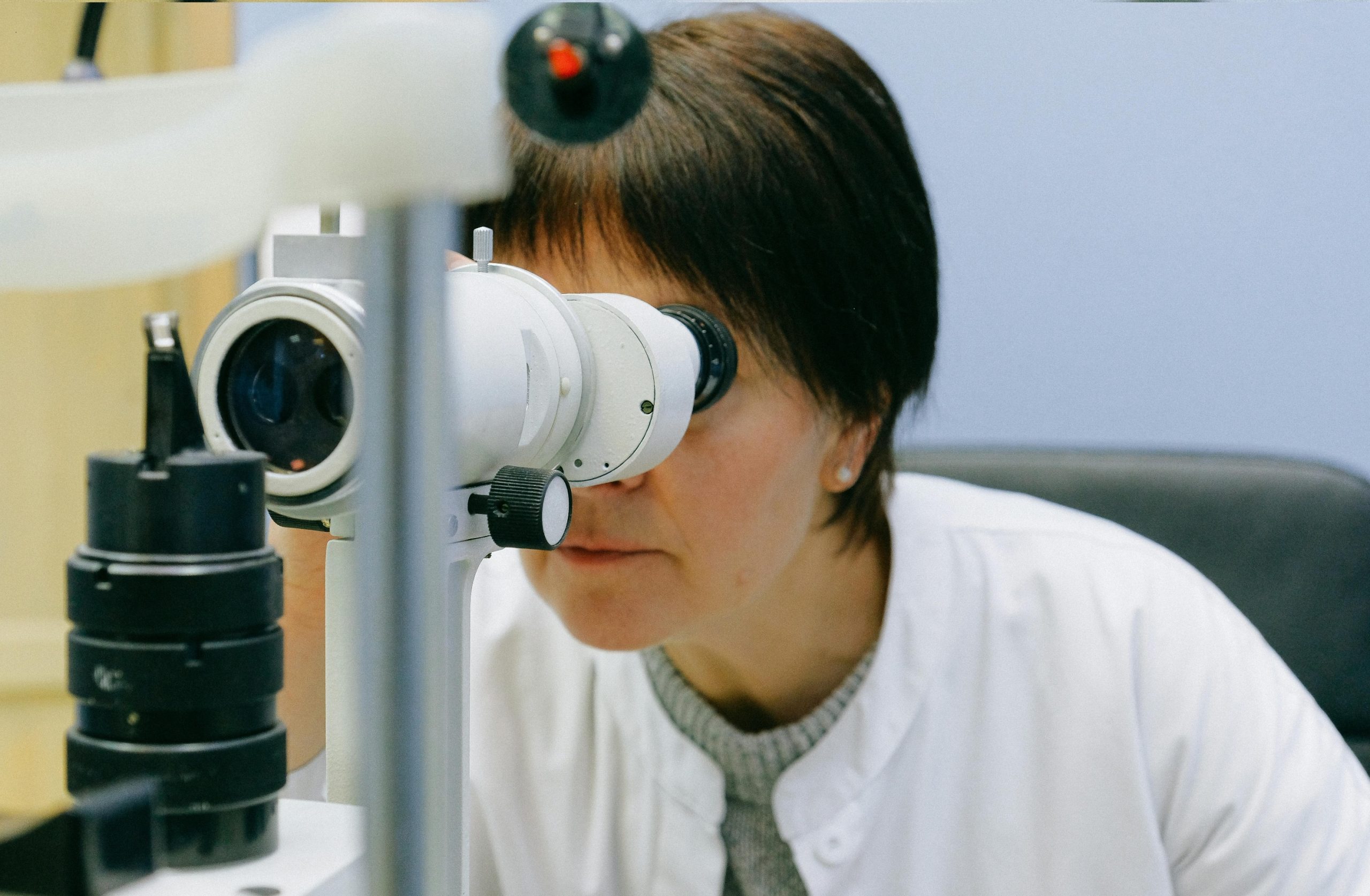
To improve glaucoma detection in high myopia, eye care professionals may recommend additional evaluations,
- Optical Coherence Tomography (OCT)- Helps assess the optic nerve and retinal nerve fibre layer in more detail
- Visual Field Testing- Detects early peripheral vision loss that may not be noticeable
- Corneal Thickness Measurement (Pachymetry)- Provides context for interpreting eye pressure readings
- Optic Nerve Imaging and Monitoring- Tracks subtle structural changes over time
These tests provide a more complete picture and can help distinguish between myopia-related changes and early glaucoma.
When Should High Myopia Patients Be More Careful?
If you have high myopia, you may need closer monitoring if you,
- Have a family history of glaucoma
- Are above 40 years of age
- Notice changes in peripheral vision
- Have previously recorded borderline eye pressure
- Experience frequent changes in spectacle prescription
Regular follow-ups allow for comparison over time, which is key in identifying early signs.
FAQs
Can glaucoma develop even if my eye pressure is normal?
Yes, glaucoma can occur even with normal eye pressure. This is why comprehensive evaluation is important, especially in high myopia.
How often should high myopia patients get checked for glaucoma?
The frequency depends on individual risk factors, but regular monitoring as advised by your eye care professional is important for early detection.
Is high myopia a confirmed cause of glaucoma?
High myopia is considered a risk factor, but not everyone with high myopia will develop glaucoma.
Are symptoms noticeable in early glaucoma?
In most cases, early glaucoma does not cause noticeable symptoms, which is why regular and thorough eye assessments are important.
Should You Rely Only on Routine Eye Checks?
While regular eye checks are a vital part of maintaining eye health, they may not always be sufficient for accurate glaucoma detection in high myopia. A more detailed and individualised approach is often needed to detect subtle changes early.
If you have high myopia and are concerned about glaucoma, consider a comprehensive evaluation at Myopia Specialist Centre, Singapore. The clinic focuses on careful assessment and personalised care to support long-term eye health. Book a consultation to better understand your risk and ensure your eyes are being monitored appropriately.